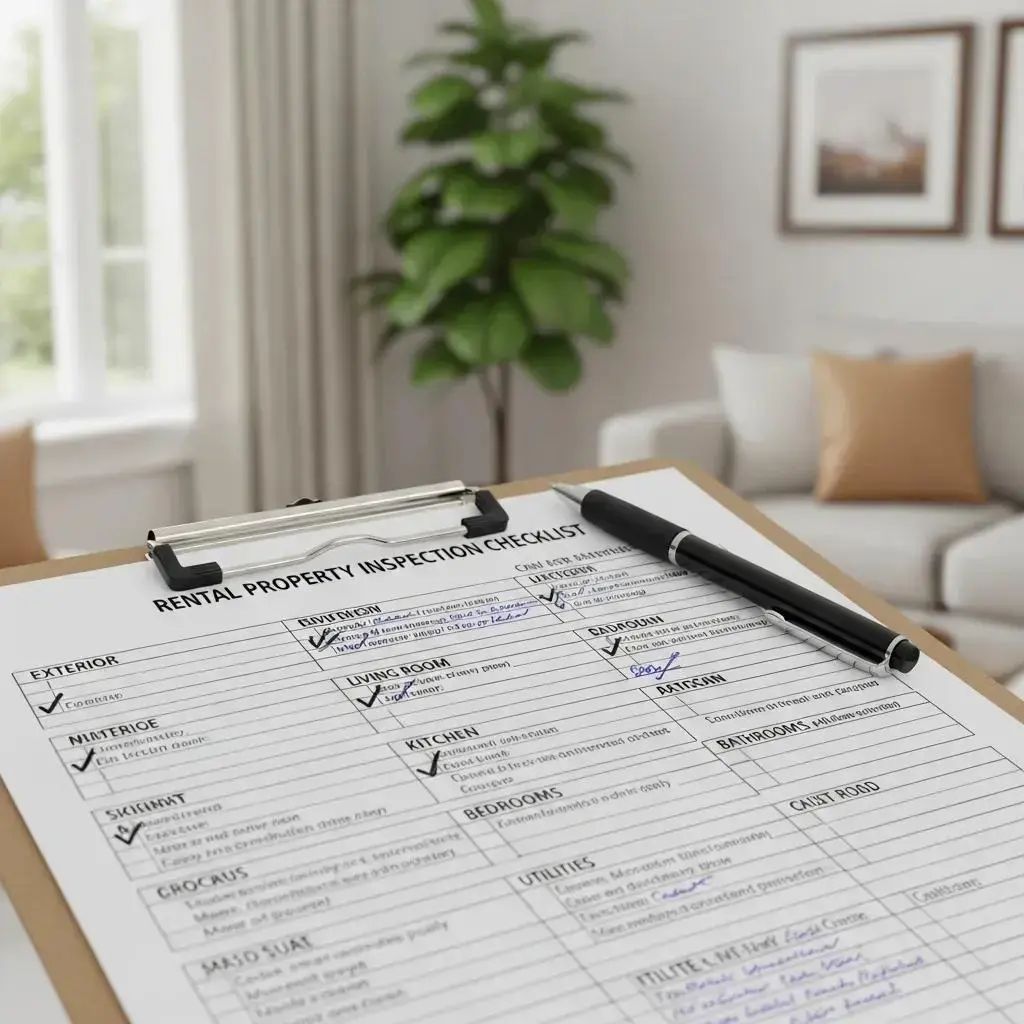
A rental property rarely tells you when a small problem is about to become an expensive one.
A little water around a pipe may look harmless. A slow bathroom drain may not seem urgent. An HVAC system that makes a strange noise might still be working perfectly well.
Then one day, that "small" problem becomes a much bigger repair.
That's why good rental property maintenance isn't just about fixing things when they break. It's about noticing problems early, planning ahead, and knowing which repairs need attention now and which can wait.
For Baltimore landlords, this can be especially important because rental homes deal with changing weather throughout the year, from hot and humid summers to cold winter conditions.
In this guide, we'll look at a practical way to manage rental property maintenance, including preventative checks, seasonal tasks, emergency vs. routine repairs, and ways to control long-term maintenance costs.
Why Maintenance Should Be Part of Your Investment Strategy
It's easy to think about maintenance as an expense.
But there's another way to look at it: maintenance protects the asset that generates your rental income.
A well-maintained property is easier to rent, easier to show, and generally more pleasant for tenants to live in.
More importantly, regular maintenance can help you spot developing problems before they turn into urgent repairs.
ENERGY STAR recommends regular maintenance of heating and cooling equipment and notes that preventive maintenance can help prevent future problems, unwanted costs, and early equipment failure.
The goal isn't to fix everything immediately.
The goal is to know what's happening with your property before the problem decides the timeline for you.
Build a Maintenance System Instead of Waiting for Maintenance Calls
One of the biggest changes a landlord can make is moving from reactive maintenance to planned maintenance.
Reactive maintenance looks like this:
Tenant reports a problem → landlord finds a contractor → repair is completed → landlord pays the bill.
Preventative maintenance looks more like this:
Inspect the property → identify potential problems → schedule work → document it → monitor the result.
The second approach gives you more control.
You can plan routine work around tenant schedules, contractor availability, and your budget instead of making every repair an emergency.
A Practical Preventative Maintenance Checklist
You don't need a complicated system. Start with a few basic checks and build from there.
Monthly Checks
Depending on the property and equipment, consider checking:
- HVAC filters
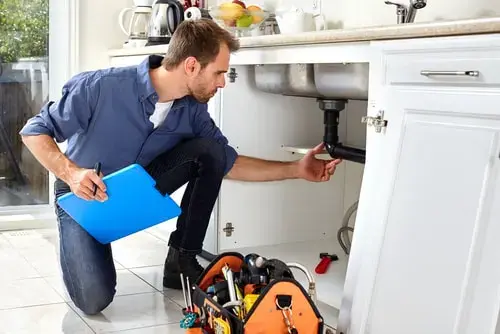
- Visible plumbing leaks
- Faucets and toilets
- Exterior doors and locks
- Smoke and carbon monoxide alarms
- Signs of pests
- Water stains on ceilings or walls
- Unusual sounds from major equipment
ENERGY STAR recommends checking HVAC filters monthly and replacing them as needed, with replacement at least every three months for many systems. The appropriate schedule can vary by equipment and conditions, so landlords should follow the manufacturer's recommendations.
Quarterly Checks
Every few months, review:
- Caulking around tubs and sinks
- Windows and weather stripping
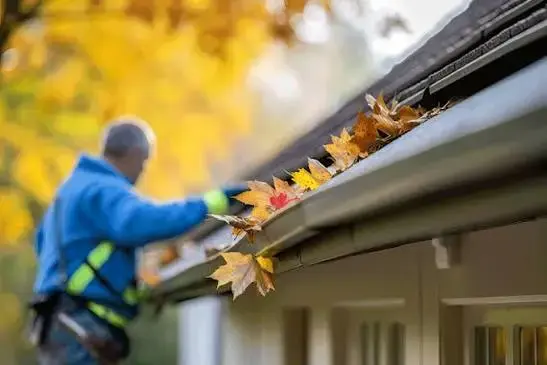
- Gutters and downspouts
- Exterior drainage
- Appliances
- Electrical outlets
- Attic or basement signs of moisture
- Yard and exterior conditions
Annual Checks
At least once a year, plan a more complete property review.
Look at:
- Roof condition
- HVAC performance
- Plumbing
- Water heater
- Exterior siding
- Foundation and visible cracks
- Doors and windows
- Smoke and carbon monoxide alarms
- Drainage around the property
- Major appliances
Not every item needs to be replaced just because it is old. The purpose of an inspection is to understand its condition and decide what actually needs attention.
 |
Emergency vs. Routine Maintenance: Know the Difference
Not every maintenance request deserves the same response time.
A useful system is to divide repairs into three categories:
Emergency
These are issues where safety, major property damage, or essential services may be at risk.
Examples can include:
- Active major water leak
- Significant flooding
- Gas-related safety concern
- Serious electrical hazard
- Fire-related damage
- Loss of essential heating during dangerous cold conditions
These situations should be escalated immediately and handled by appropriately qualified professionals.
Urgent
These problems may not represent an immediate emergency but should be addressed quickly.
Examples:
- Significant plumbing leak that is contained
- Broken exterior door lock
- HVAC problem during extreme weather
- Refrigerator failure where food loss is a concern
- Toilet or plumbing problem affecting essential use
Routine
These can usually be scheduled without an emergency response.
Examples include:
- Minor dripping faucet
- Small cosmetic wall damage
- Loose cabinet hardware
- Minor appliance issue
- Worn weather stripping
The important thing is to have a clear process so tenants know how and when to report different types of problems.
 |
Seasonal Rental Property Maintenance in Baltimore
A seasonal maintenance routine can make property care much easier.
Instead of remembering everything at once, use the calendar to remind you what deserves attention.
Spring: Check What Winter Left Behind
Spring is a good time to look for damage or wear from the colder months.
Consider:
- Inspecting the roof and exterior
- Cleaning gutters and checking downspouts
- Looking for water intrusion
- Checking exterior drainage
- Inspecting decks, steps, and railings
- Scheduling an air-conditioning check
- Checking windows and doors
ENERGY STAR recommends scheduling cooling-system maintenance in spring and heating-system maintenance in fall, before contractors become especially busy during peak seasons.
Summer: Focus on Cooling and Exterior Conditions
Baltimore's summer heat and humidity make cooling systems particularly important.
Check:
- Air-conditioning performance
- HVAC filters
- Condensate drains
- Exterior drainage
- Roof and gutter conditions
- Landscaping around the property
- Signs of moisture or pests
A clogged HVAC condensate drain can cause water damage, which is one reason ENERGY STAR includes drain inspection in its maintenance checklist.
Fall: Prepare Before Cold Weather Arrives
Before winter, focus on the systems you'll depend on most.
Consider:
- Scheduling heating-system maintenance
- Checking doors and windows for drafts
- Cleaning gutters
- Checking exterior water drainage
- Inspecting exposed pipes
- Testing smoke and carbon monoxide alarms
This is also a good time to review your emergency contractor list.
Winter: Monitor, Don't Just React
During colder weather, keep an eye on:
- Heating performance
- Pipes in vulnerable areas
- Water leaks
- Ice or snow-related exterior problems
- Drafts around doors and windows
- Roof and gutter issues
Winter isn't the ideal time to discover that the heating system needs major attention.
How to Reduce Long-Term Repair Costs
There is no way to eliminate maintenance costs from a rental property.
But landlords can often make those costs more predictable.
Fix Small Problems Before They Grow
A small leak is easier to investigate than extensive water damage.
A loose gutter is easier to repair than dealing with repeated water runoff against the property.
The earlier you know about a problem, the more options you usually have.
Know the Age of Your Major Systems
Keep a simple record of:
- HVAC installation date
- Water heater age
- Roof age
- Major appliance purchase dates
- Recent repairs
- Contractor information
This helps you plan instead of being surprised.
Keep Maintenance Records
For every significant repair, record:
What happened → What was repaired → Who repaired it → How much it cost → When it was completed
Over time, these records can reveal patterns.
If the same system keeps breaking down, constantly repairing it may not be the best long-term decision.
Don't Automatically Choose the Cheapest Repair
The cheapest option today isn't necessarily the cheapest option over several years.
Ask:
- How long should this repair last?
- Is the underlying problem actually fixed?
- Will this part or system require frequent repairs?
- Would replacement make more financial sense?
Good maintenance decisions consider both today's cost and tomorrow's risk.
Maintenance Is Also About the Tenant Experience
Tenants notice maintenance.
A tenant may forgive an old kitchen. They may even accept dated flooring.
But repeated maintenance problems are different.
When a tenant reports an issue and nothing happens, frustration builds quickly.
On the other hand, clear communication makes a big difference.
Even when a repair cannot happen immediately, telling the tenant:
"We've received your request, the contractor is scheduled for Thursday, and we'll update you after the inspection."
is much better than silence.
Good maintenance isn't only about fixing the property.
It's also about building trust with the person living there.
Create a Simple Maintenance Communication Process
A good rental maintenance system should answer four questions:
1. How Does the Tenant Report a Problem?
Give tenants one clear method—such as an online portal, email, or designated phone number.
2. How Is the Problem Prioritized?
Classify requests as emergency, urgent, or routine.
3. Who Handles the Repair?
Have reliable contractors available for plumbing, HVAC, electrical, roofing, and general repairs.
4. How Is the Repair Documented?
Keep the request, contractor details, invoice, and completion date together.
This creates a clear record and makes future maintenance easier.
When Should a Landlord Consider Professional Property Management?
Maintenance becomes more complicated as a rental portfolio grows.
One property may generate occasional requests.
Five or ten properties can create a steady stream of:
- Tenant messages
- Contractor appointments
- Inspection schedules
- Repair approvals
- Invoices
- Follow-ups
- Emergency calls
It can also become difficult when the landlord lives outside Baltimore.
A professional Baltimore property management company can coordinate maintenance, communicate with tenants, schedule contractors, and keep records on behalf of the owner.
That doesn't mean every landlord needs professional management.
But if maintenance is taking up too much of your time—or you're constantly reacting to problems—a structured management service may be worth considering.
A Better Way to Think About Rental Maintenance
The goal isn't to have a property where nothing ever breaks.
That's unrealistic.
The goal is to have a property where:
- Problems are reported quickly
- Emergencies are identified correctly
- Routine work is scheduled
- Major systems are monitored
- Maintenance history is documented
- Tenants know what to expect
- Owners understand where their money is going
That is what good property operations look like.
Final Thoughts
Rental property maintenance doesn't have to feel like a never-ending list of repairs.
With a simple preventative maintenance schedule, seasonal checks, clear emergency procedures, and good recordkeeping, landlords can stay much more in control.
And when something does go wrong, you'll have a system ready to handle it.
For Baltimore landlords, the best maintenance strategy is usually not "fix it when it breaks."
It's "know your property, plan ahead, and respond quickly when something changes."
That approach can help protect the property, support a better tenant experience, and make the day-to-day business of owning a rental much easier.
Frequently Asked Questions
How often should I perform rental property maintenance?
There isn't one schedule that works for every property. Monthly checks, quarterly reviews, seasonal preparation, and annual professional servicing can provide a useful framework. Equipment manufacturers may have specific maintenance requirements that should also be followed.
What maintenance should be done before summer?
Check the air-conditioning system, HVAC filter, condensate drain, exterior drainage, gutters, and signs of moisture. ENERGY STAR recommends scheduling cooling-system maintenance in spring.
What should Baltimore landlords check before winter?
Review the heating system, gutters, exterior drainage, doors and windows, exposed pipes, and smoke and carbon monoxide alarms. Scheduling heating-system maintenance before peak winter demand can also help identify problems earlier.
What is considered emergency maintenance?
Emergency maintenance generally involves a situation that creates an immediate safety concern, threatens major property damage, or prevents an essential service from functioning. Landlords should establish their own emergency procedures and follow applicable laws and lease requirements.
Can preventative maintenance really reduce repair costs?
Preventative maintenance cannot guarantee lower costs, but it can help identify problems earlier and reduce the likelihood of equipment failure or unexpected breakdowns. ENERGY STAR specifically recommends preventive HVAC maintenance to help prevent future problems and unwanted costs.
Should tenants be responsible for maintenance?
Responsibilities depend on the lease, the type of maintenance involved, and applicable Maryland law. Landlords should clearly explain tenant responsibilities in the lease and should not assume that every repair can simply be passed to the tenant.
Is hiring a property manager worth it for maintenance?
It can be useful for owners who live outside Baltimore, own multiple rental properties, or don't have time to coordinate contractors and tenant requests. The value depends on the owner's situation and the services included in the management agreement.
Protect Your Rental Before a Small Problem Becomes a Big One
Maintenance problems don't always happen at a convenient time.
PropertyWize can help Baltimore rental property owners stay ahead of maintenance, coordinate repairs, communicate with tenants, and manage the everyday details of their investment.
🔧 Stop Chasing Repairs. Start Managing Your Investment.
📅 Want to Talk About Your Property?
Schedule My Free Property Strategy Call →
Find out how a more proactive management approach could make owning your Baltimore rental easier.