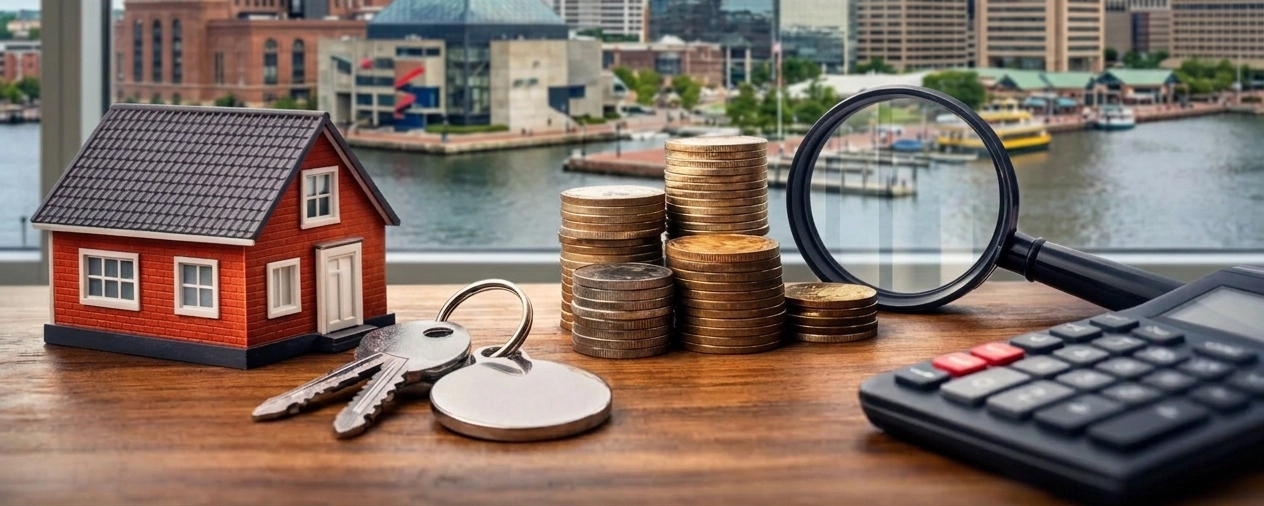
If you're a Baltimore landlord, you've probably noticed that the rental market doesn't move the same way every year.
Some properties rent quickly. Others sit on the market longer than expected. One neighborhood can have strong demand while another struggles to attract the right tenant.
That's why looking at Baltimore as one big rental market can be misleading.
For rental property owners, the more useful question is:
"What's happening with properties like mine, in the neighborhood where I actually own?"
As we move through 2026, Baltimore's housing market is giving landlords and investors a mix of opportunities and challenges. Rents remain meaningful compared with home prices, while buyers have more inventory to consider than they had previously.
For investors, that can create opportunities—but only when the numbers work.
Let's take a closer look at what the Baltimore rental market is telling us right now.
Baltimore Rental Market at a Glance
The latest Zillow data gives us an interesting picture of Baltimore rentals.
As of September 6, 2026, Zillow reported an average Baltimore rent of $1,650 across all bedrooms and property types. Its data showed no year-over-year change in that particular average, while the number of available rentals was 3,713.
Zillow's separate Zillow Observed Rent Index (ZORI), which adjusts for changes in the mix of rental properties available, reported an average Baltimore rent of $1,806 in July 2026, with rents up 3.3% year over year.
Why are those numbers different?
Because they're measuring the market differently.
That's actually a useful lesson for landlords: don't build your rental strategy around one headline number.
Average rent can vary depending on the properties included, the time period, and the methodology used.
Your own property's rent should ultimately be compared with similar homes currently competing for tenants.
What Is Happening with Baltimore Home Prices?
Rental investors also need to watch the purchase side of the market.
Zillow reported a typical Baltimore home value of $189,754 in July 2026, down 2.9% from a year earlier. It also reported a median sale price of $235,333 in June 2026.
Redfin's data tells a somewhat different story. For the three months ending July 2026, Redfin reported a $254,000 median Baltimore home sale price, up 4.6% from the same period a year earlier.
Again, these figures aren't necessarily contradictory.
Different real estate platforms use different datasets, calculations, and market coverage.
For an investor, the bigger takeaway is this:
Don't assume the entire Baltimore market is moving in one direction.
Look at recent sales for the exact neighborhood and property type you're considering.
More Inventory Could Give Buyers More Room to Negotiate
One of the more interesting developments in the Baltimore housing market is the increase in available homes.
Realtor.com reported 7,448 active listings in Baltimore in August 2026, an increase of 19.2% from the previous year.
More inventory can give buyers more choices.
For investors, that can be useful.
Instead of feeling pressured to buy the first property that looks interesting, you may have more opportunities to compare:
- Purchase price
- Property condition
- Expected rent
- Renovation requirements
- Neighborhood demand
- Potential cash flow
More choice doesn't mean every property is a bargain.
It simply means doing your homework before making an offer can be even more valuable.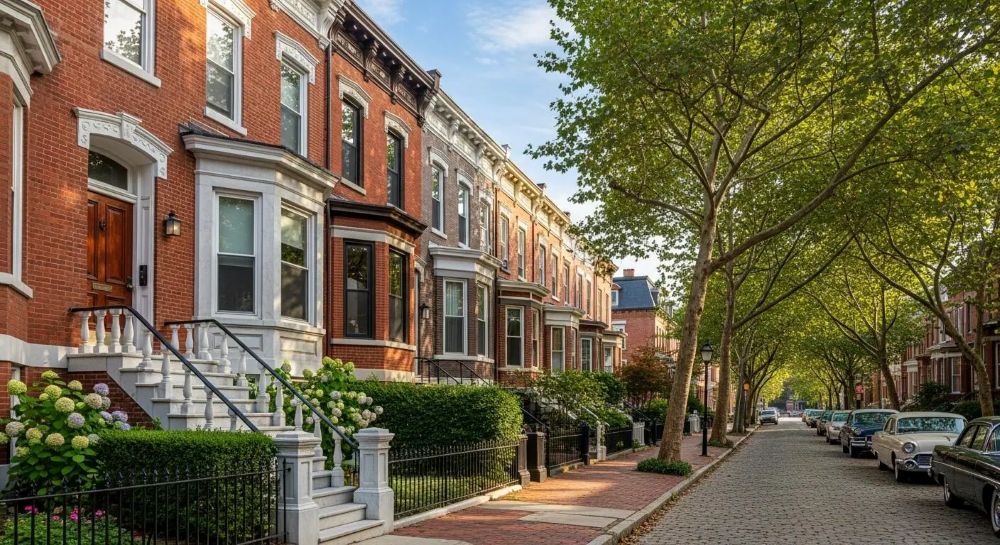
Baltimore Is Not One Rental Market
This is probably one of the most important things for a local landlord to understand.
Baltimore has many different neighborhoods, and rental performance can vary significantly from one area to another.
A property in Canton isn't competing for exactly the same tenant as a property in Park Heights.
A renovated home in Hampden may attract a different renter than an older property farther north or west.
Even within the same neighborhood, rent can vary based on:
- Number of bedrooms
- Bathrooms
- Square footage
- Parking
- Renovations
- Outdoor space
- Appliances
- Property type
- Transit access
- Overall condition
So instead of asking:
"What's the average rent in Baltimore?"
A better question is:
"What are comparable properties near my rental actually renting for?"
That's the number that matters when you're setting your asking rent.
Should Investors Focus on High-Rent Neighborhoods?
Not necessarily. A neighborhood with higher rents may also have higher purchase prices. Imagine two hypothetical Baltimore properties:
Property A
- Purchase price: $300,000
- Expected rent: $2,200/month
Property B
- Purchase price: $200,000
- Expected rent: $1,700/month
At first glance, Property A has the higher rent.
But Property B requires significantly less capital to purchase.
This is why investors should look at rental income relative to the total cost of owning the property, rather than simply choosing the neighborhood with the highest advertised rent.
Your calculations should account for expenses such as:
- Mortgage
- Property taxes
- Insurance
- Maintenance
- Vacancy
- Property management
- Utilities paid by the owner
- Capital improvements
A property can have impressive rent and still produce disappointing returns if the expenses are too high.
What Makes a Baltimore Neighborhood Attractive to Renters?
There isn't a magic checklist that guarantees rental demand. But renters often consider practical factors when comparing homes.
Location
Convenient access to employment centers, shopping, restaurants, schools, transportation, and everyday services can make a property more appealing.
Property Condition
Tenants don't expect every rental to be brand new.
But they generally want a home that is clean, functional, safe, and properly maintained.
Monthly Affordability
Rent is obviously important.
But tenants also consider the total cost of living in a particular location.
Parking and Transportation
Depending on the neighborhood, property type, and location, convenient parking or access to public transportation can make a meaningful difference.
Responsiveness
A property that looks great online can quickly become frustrating if maintenance requests are ignored.
For landlords, tenant experience can become part of the property's competitive advantage.
A Rental Property's Listing Can Make a Bigger Difference Than You Think
Let's say two similar Baltimore rentals are both priced at $1,800.
One has:
- Bright, professional photos
- A clean exterior
- Clear property details
- Accurate room measurements
- Responsive communication
The other has:
- Dark phone photos
- Limited information
- Slow responses
- An unclear description
Even though the rent is identical, the first property may make a much stronger first impression.
This doesn't mean expensive marketing guarantees a faster lease.
It simply means landlords should remember that renters are shopping online before they ever walk through the front door.
How Baltimore Landlords Can Respond to a Changing Market
A changing rental market doesn't necessarily require a dramatic strategy.
Often, small adjustments can make a difference.
Review Your Rent
Don't automatically raise or lower rent based on what happened last year.
Look at current comparable listings and recently rented properties when possible.
Improve the Listing
Good photos, accurate information, and a clear description can help your property stand out.
Fix Small Issues
A dripping faucet, damaged flooring, poor lighting, or an outdated fixture can affect how renters perceive the property.
Respond Quickly
A prospective tenant who doesn't receive a response may simply contact another landlord.
Know Your Vacancy Cost
If a property rents for $1,800 per month, every month it remains vacant represents up to $1,800 of gross rent that wasn't collected.
That doesn't mean every vacancy can be prevented.
It does mean landlords should understand the financial impact of vacancy when making pricing and marketing decisions.
Is 2026 a Good Time to Buy a Baltimore Rental Property?
There is no universal yes or no answer. It depends on the property. The current market may give investors more opportunities to compare properties, particularly with active listings increasing.
At the same time, investors should avoid assuming that a lower asking price automatically means a better investment. Before buying, run the numbers.
Ask:
What will I pay?
What can I realistically rent it for?
How much will repair cost?
What are the ongoing expenses?
What happens if the property sits vacant?
What happens if a major system needs replacement?
Will the property still make sense if rents grow more slowly than expected?
If the deal only works under the most optimistic assumptions, it may not be a strong deal.
Baltimore Rental Investors Should Think Beyond Monthly Cash Flow
Cash flow is important, but it isn't the only measure of a rental investment.
An investor may also care about:
- Long-term property value
- Principal reduction
- Rental income growth
- Neighborhood stability
- Tax considerations
- Portfolio diversification
- Future resale options
The right priorities depend on your investment strategy.
Someone building long-term rental income may evaluate a property differently from someone focused on appreciation.
There isn't one formula that works for everyone.
Don't Forget About Maintenance
A rental property is a physical asset. It needs care. If you delay every repair because you're trying to maximize short-term cash flow, you may create larger expenses later.
Instead, keep track of:
- HVAC condition
- Roof age
- Plumbing
- Electrical systems
- Appliances
- Windows and doors
- Exterior maintenance
You don't need to replace everything that's old. You do need to know what's getting old. That allows you to budget for future expenses instead of being surprised by them.
When Should Baltimore Landlords Consider Professional Management?
The answer depends largely on your time, experience, and portfolio. Self-management may work well when you own one property nearby and enjoy handling the day-to-day work. But as your portfolio grows, so does the workload.
You may eventually be dealing with:
- Multiple tenant communications
- Maintenance requests
- Property showings
- Rental marketing
- Tenant screening
- Lease renewals
- Contractor coordination
- Rent collection
- Inspections
- Financial reporting
For owners who live outside Baltimore, the challenge can be even greater.
That's where Baltimore property management can become useful.
A professional manager can handle many of the everyday responsibilities while giving the owner a clearer view of how the investment is performing.
A Simple Baltimore Rental Market Checklist for Landlords
You don't need to become a real estate market analyst. Start with these questions every few months:
Rental Market
What are similar properties asking for rent?
Vacancy
How long are comparable properties staying available?
Competition
Are there more or fewer rentals competing with yours?
Property Condition
Does your property still compare well with similar rentals?
Expenses
Have taxes, insurance, utilities, or maintenance costs changed?
Investment Performance
Is the property still meeting your financial goals?
This simple review can help you spot problems before they become bigger ones.
Final Thoughts
The Baltimore rental market in 2026 isn't a simple story of rents going up or home prices going down. Different data sources show different movements, and different neighborhoods can perform very differently. That's why smart landlords focus less on headlines and more on their own property's numbers.
Know your neighborhood.
Know your competition.
Know your expenses.
Know what tenants are looking for.
And before buying another rental, make sure the numbers still work when you use realistic assumptions—not perfect ones.
The Baltimore market can offer opportunities, but the best opportunities usually come from good research and disciplined decision-making, not from simply following the latest market headline.
Is Your Baltimore Rental Keeping Up with the Market?
The market average is interesting. Your property's numbers are what really matter.
Find out how your rental compares with current Baltimore market conditions and where you may have opportunities to improve its performance.
🏠 See What Your Property Could Be Doing Better
[Get My FREE Rental Analysis →]
📅 Want a Real Conversation About Your Investment?
[Book My Free Baltimore Property Strategy Call →]
No complicated market report. No pressure. Just a clearer look at your rental and what you can do next.
Frequently Asked Questions
What is the average rent in Baltimore in 2026?
It depends on the dataset. Zillow's rental-market data reported an average of $1,650 across all bedrooms and property types as of September 6, 2026, while Zillow's ZORI measure reported $1,806 in July 2026. These figures use different methodologies, so they should be viewed as broad market indicators rather than the expected rent for a specific property.
Are Baltimore rents going up in 2026?
Some measures show growth while others are relatively flat. Zillow's ZORI showed Baltimore rents up 3.3% year over year in July 2026, while its separate rental-market average showed no year-over-year change as of September 6.
Is Baltimore a good place to buy rental property?
Baltimore can offer opportunities for rental investors, but the quality of an investment depends on the individual property. Purchase price, realistic rent, taxes, insurance, maintenance, vacancy, financing, and neighborhood demand should all be considered before buying.
Which Baltimore neighborhoods are best for rental property?
There isn't one neighborhood that is best for every investor. The right location depends on your budget, investment strategy, expected rental demand, property type, and operating costs. Investors should compare actual rental and sales data for specific neighborhoods rather than relying on a citywide average.
Are Baltimore home prices increasing or decreasing?
Different data sources currently show different results. Zillow reported a 2.9% year-over-year decline in its typical Baltimore home value as of July 2026, while Redfin reported a 4.6% year-over-year increase in the median sale price over the three months ending July 2026.
Is more housing inventory good for Baltimore rental investors?
More inventory can give buyers additional properties to compare and potentially more negotiating opportunities. Realtor.com reported Baltimore active listings were up 19.2% year over year in August 2026. However, investors should still evaluate each property individually.
How can I know if my Baltimore rental is priced correctly?
Compare your property with similar rentals in the same neighborhood, considering bedrooms, bathrooms, size, condition, amenities, parking, and recent upgrades. A local rental analysis can provide a more useful benchmark than relying on the citywide average.
Should I hire a Baltimore property management company?
It depends on your situation. Self-management can work for some local owners, while professional management may be useful for owners with multiple properties, limited time, or rentals located far from where they live.